Join or Sign In
Sign in to customize your TV listings
By joining TV Guide, you agree to our Terms of Use and acknowledge the data practices in our Privacy Policy.
Unearthed Season 3 Episodes
Season 3 Episode Guide
7 Episodes 2018 - 2018
Episode 1
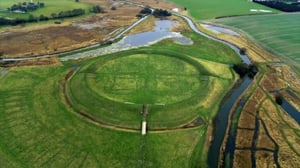
Viking City of the Dead
Tue, May 15, 201842 mins
The lost fortresses of the Viking Age in today's Denmark. Why were they built and what caused the Viking Age to end?
Episode 2
Lost Pyramids of the Americas
Tue, May 22, 201841 mins
The 5,000-year-old Pyramid City of Caral in today's Peru marks the place where the possibly oldest civilization in the Americas once existed. Did they practice human sacrifices like some other more famous civilizations on the continent?

Episode 3
Forbidden City of the Pharaohs
Tue, May 29, 201842 mins
Near the city of Luxor lies the Valley of the Kings where most of Egypt's ancient temples and pyramids are located. How were they built and how did the Pharaohs use them to rise to power?

Episode 4
Statue of Liberty - The New Secrets
Tue, Jun 5, 201842 mins
The latest scientific methods are used to analyze and the Statue of Liberty and discover its secrets as well as the inspiration for it.
Episode 5
Hunt for the Real Atlantis
Tue, Jun 12, 201842 mins
The Greek island of Crete was the home of the mythical Labyrinth of the Minotaur. Did the demise of the island's advanced and mysterious Minoan civilization inspire the legend of the fall of the Atlantis?

Episode 6
Lost World of Easter Island
Tue, Jun 19, 201841 mins
How and why were the famous Moai statues of Easter Island built and what caused the downfall of the Island's civilization which built them?

Episode 7
Wrath of Attila the Hun
Tue, Jun 26, 201842 mins
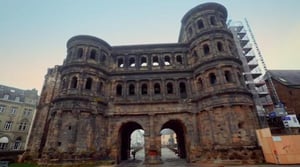
Trier, a major Roman city in preset Germany then Gaul), became the capital of the Westren European quarter/half of the Roman empire in the fourth century, fitted with prestigious buildings including the largest preserved imperial basilica (audience hall), great walls including the majestic Port Nigra gate (which was not fitted with actual gates, hence a military liability) and public baths. The latter however were never finished and used, the basilica transformed into barracks for a garrison shortly before the emperors left the region due to unsafety facing Germanic tribes and finally the flood of Attilla's nomadic Huns sweeping trough roman lands. But when they invaded Trier, which then would shrivel for centuries, decline had already set in as well as loss of Roman identity. Instead of an abrupt end by capture, the fall of Trier was rather the conclusion of process whereby Romans and barbarians moved around and even permanently adopted much of each-other's way of life.