Join or Sign In
Sign in to customize your TV listings
By joining TV Guide, you agree to our Terms of Use and acknowledge the data practices in our Privacy Policy.
Siskel & Ebert Season 9 Episodes
Season 9 Episode Guide
48 Episodes 1994 - 1995
Episode 1
Quiz Show/Milk Money/A Simple Twist of Fate/A Good Man in Africa/What Happened Was...
Sat, Sep 10, 1994

Episode 2
Why Gump? Why Now?
Mon, Apr 11, 1994
Gene Siskel and Roger Ebert try to figure out what has made Forrest Gump (1994) such a surprise success. Gene Siskel first points out that Tom Hanks is coming off three big successes in a row: A League of Their Own (1992), Sleepless in Seattle (1993) and Philadelphia (1993). He goes on to say that the movie is almost a religious experience for American audiences who haven't come to grips with the last thirty years in their tumultuous history. It works like a bedtime story or a parable. Ebert points out the brilliant device of having the title character narrate the story from a park bench. He says the technique of the narrator who knows less than we do dates back to Mark Twain and reminds him especially of Andy Griffith's comedy album, "What It Was, Was Football". He credits the amazing special effects that add Gump to historical footage. Siskel credits the writers, especially their technique of adding a joke at just the right moment. The critics examine the early career of Tom Hanks and then spotlight the fables, such as Splash (1984). Ebert's video recommendation for those who like "Forrest Gump" is Born on the Fourth of July (1989). Siskel's is Being There (1979).

Episode 3
The Shawshank Redemption/Timecop/Terminal Velocity/The New Age/Blue Sky
Sat, Sep 24, 1994
Episode 4
The River Wild/Jason's Lyric/Ed Wood/The Scout/Rapa Nui
Sat, Oct 1, 1994

Episode 5
Only You/Second Best/Pulp Fiction
Sat, Oct 8, 1994
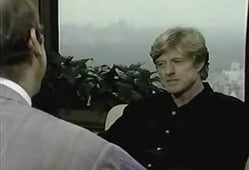
Siskel and Ebert review three new movies, and also look at Quentin Tarantino's directing, writing, and acting filmography so far. Plus, Gene Siskel interviews Robert Redford.
Episode 6
Love Affair/Wes Craven's New Nightmare/Exit to Eden/Hoop Dreams/The Specialist/Little Giants
Sat, Oct 15, 1994
Episode 7
Radioland Murders/I Like It Like That/Bullets Over Broadway/Imaginary Crimes/Clerks
Sat, Oct 22, 1994
Episode 8
The Road to Wellville/Silent Fall/Stargate/The Last Seduction/Vanya on 42nd Street
Sat, Oct 29, 1994
Episode 9
The War/Double Dragon/Mary Shelley's Frankenstein/Oleanna/Drop Squad
Sat, Nov 5, 1994

Episode 10
Interview with the Vampire/Pontiac Moon/The Santa Clause/Heavenly Creatures/Dr. Strangelove
Sat, Nov 12, 1994

Episode 11
Star Trek: Generations/The Swan Princess/Miracle on 34th Street/The Professional/To Live
Sat, Nov 19, 1994

Episode 12
Junior/A Low Down Dirty Shame/The Pagemaster/Mrs. Parker and the Vicious Circle/Red
Sat, Nov 26, 1994

Episode 13
Cobb/Tom & Viv/Trapped in Paradise/Ladybird, Ladybird/Nostradamus
Sat, Dec 3, 1994

Episode 14
Disclosure/Drop Zone/Nell/The Last Buffalo/Into the Deep/Immortal Beloved
Sat, Dec 10, 1994
Episode 15
Speechless/Dumb and Dumber/Legends of the Fall/Little Women/Death and the Maiden/The Madness of King George
Sat, Dec 17, 1994

Episode 16
I.Q./Ri¢hie Ri¢h/Ready to Wear/Nobody's Fool/Mixed Nuts/The Jungle Book
Sat, Dec 24, 1994

Episode 17
The Best Films of 1994
Sat, Dec 31, 1994

Episode 18
The Worst Films of 1994
Sat, Jan 7, 1995
Siskel and Ebert choose their worst films of 1994. Among the categories is worst comedy, where Ebert chooses Milk Money and Exit to Eden, and films where actors play multiple roles with Being Human (starring Robin Williams in multiple roles), and Trading Mom (starring Sissy Spacek in multiple roles). Other picks include Silent Tongue, Even Cowgirls Get the Blues, On Deadly Ground, Rapa Nui, Clifford, Cops and Robbersons, City Slickers II: The Legend of Curly's Gold, and Wagons East. Finally they announce their worst films of the year, with both Siskel and Ebert choosing North.

Episode 19
Memo to the Academy - 1995
Sat, Jan 14, 1995

Episode 20
Bad Company/Far from Home: The Adventures of Yellow Dog/Murder in the First/Higher Learning/S.F.W./Strawberry and Chocolate
Sat, Jan 21, 1995
Episode 21
Miami Rhapsody/Federal Hill/Before Sunrise/A Man of No Importance/Safe Passage
Sat, Jan 28, 1995
Episode 22
Boys on the Side/Highlander: The Final Dimension/In the Mouth of Madness/The Secret of Roan Inish
Sat, Feb 4, 1995
Gene Siskel and Roger Ebert review four new films. Also, Ebert reports from the 1995 Sundance Film Festival.

Episode 23
The Quick and the Dead/Shallow Grave/The Jerky Boys: The Movie/Crumb
Sat, Feb 11, 1995
In addition to reviewing four new movies, Siskel and Ebert interview various actors on what they think can improve Hollywood movies.

Episode 24
Just Cause/Billy Madison/The Brady Bunch Movie/Mr. Payback
Sat, Feb 18, 1995
In addition to reviewing four new movies, Siskel and Ebert react to the year's Oscar nominations.

Episode 25
Exotica/Heavyweights/The Wild Bunch/Once Were Warriors
Sat, Feb 25, 1995

Episode 26
Roommates/Muriel's Wedding/Hideaway/The Good Old Boys/Citizen X
Sat, Mar 4, 1995
Episode 27
Outbreak/Candyman: Farewell to the Flesh/Bye Bye Love/Losing Isaiah/Farinelli
Sat, Mar 18, 1995

Episode 28
Dolores Claiborne/Funny Bones/Major Payne/Circle of Friends/Tall Tale: The Unbelievable Adventures of Pecos Bill
Sat, Mar 25, 1995
Episode 29
Rob Roy/Tommy Boy/Jefferson in Paris/Bulletproof Heart/Priest
Sat, Apr 1, 1995
Episode 30
In Pursuit of Honor/Nina Takes a Lover/The Many Adventures of Diecast/When the Bough Breaks
Sat, Apr 8, 1995
Episode 31
Kiss of Death/Jury Duty/Stuart Saves His Family/The Basketball Diaries/The Pebble and the Penguin
Sat, Apr 22, 1995

Episode 32
A Pyromaniac's Love Story/While You Were Sleeping/Destiny Turns on the Radio/New Jersey Drive/Underneath
Sat, Apr 29, 1995
Episode 33
French Kiss/My Family/Panther/Village of the Damned/Picture Bride
Sat, May 6, 1995
Episode 34
Crimson Tide/A Little Princess/The Perez Family/The Englishman Who Went Up a Hill/Swimming with Sharks
Sat, May 13, 1995
Gene Siskel and Roger Ebert review Crimson Tide (1995), A Little Princess (1995), The Perez Family (1995), The Englishman Who Went Up a Hill But Came Down a Mountain (1995) and Swimming with Sharks (1994).
Episode 35
The Bridges of Madison County/Die Hard with a Vengeance/Forget Paris/Titanica/Little Odessa
Sat, May 20, 1995

Episode 36
Casper/Mad Love/Braveheart/Johnny Mnemonic/A Pure Formality
Sat, May 27, 1995

Episode 37
Pulp Faction: The Tarantino Generation
Sat, Jun 3, 1995
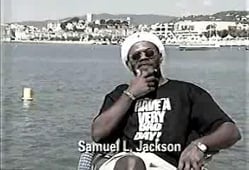
In this special episode, Siskel and Ebert examine whether Quentin Tarantino, director of "Reservoir Dogs" and "Pulp Fiction", is a lasting director or just the flavor-of-the-month. Gene Siskel also interviews Samuel L. Jackson.

Episode 38
Congo/The Glass Shield/Pocahontas/Fluke
Sat, Jun 10, 1995
In addition to review four new movies, Gene Siskel and Roger Ebert criticize Bob Dole's attack on Hollywood movies.

Episode 39
Batman Forever/The Incredibly True Adventure of 2 Girls in Love/Smoke/Safe
Sat, Jun 17, 1995
The critics gave a split vote on Batman Forever-Gene Siskel gave a thumbs up for good characters in a forgettable script. They gave two thumbs up for the rest of the films: The Incredibly True Adventure of 2 Girls in Love and Smoke and Safe. They then recommended renting Little Women (1994) on VHS.
Episode 40
Siskel and Ebert Family Values
Sat, Jun 24, 1995
In this special episode, Siskel and Ebert highlight ten family-friendly films in the wake of criticisms against offensive content in Hollywood movies.
Episode 41
Apollo 13/Mighty Morphin Power Rangers: The Movie/Judge Dredd/Wigstock: The Movie/Belle De Jour
Sat, Jul 1, 1995

Episode 42
First Knight/Party Girl/Species/Batman: Mask of the Phantasm/Il Postino
Sat, Jul 8, 1995

Episode 43
Nine Months/The Indian in the Cupboard/Under Siege 2/Kids/Gross Fatigue
Sat, Jul 15, 1995
Gene Siskel and Roger Ebert review five new movies. Neither critic likes Nine Months (1995), the predictable comedy with Hugh Grant, although they disagree on what they dislike about it. Ebert especially disagrees with Siskel that the recent scandal involving Grant has any relevance to the picture. A split vote on The Indian in the Cupboard (1995): Siskel found it to be an engaging fantasy film for kids; Ebert found it creepy. Both critics enjoyed Steven Seagal's new action picture, Under Siege 2: Dark Territory (1995). Mindless, they say, but fun. Their next film, Kids (1995), is the harrowing drama about aimless and self-destructive teenagers that is so real it feels like a documentary. Two thumbs up. Last is the French comedy, Dead Tired (1994), about the perils of celebrity. Siskel enjoyed it; Ebert didn't. For the Video Pick of the Week, Ebert chooses "The Cavalcade of MGM Stars," a laser disc release of 34 classic short subjects.
Episode 44
Clueless/An Awfully Big Adventure/Free Willy 2: The Adventure Home/Living in Oblivion/Bandit Queen
Sat, Jul 22, 1995
Episode 45
Waterworld/Operation Dumbo Drop/The Net/Babe/Country Life
Sat, Jul 29, 1995
Episode 46
Something to Talk About/Unzipped/Virtuosity/A Walk in the Clouds/The Brothers McMullen/Double Happiness
Sat, Aug 5, 1995
Episode 47
Villains: So Bad, They're Good
Sat, Aug 12, 1995
Gene Siskel and Roger Ebert examine movie villains. Siskel begins by spotlighting some recent movie villains, who are often more sophisticated and charming than the heroes. Ebert takes a look at the entire history of movie villains from The Great Train Robbery (1903) to Chinatown (1974). Next, Ebert looks at how political correctness influences who the villains are. The American Indians, the Japanese, the Vietnamese and the Russians have always been safe villains, but that has changed or is changing. Eternal villains include Nazis, Arabs, political assassins and, safest of all, those of unspecific nationality. What makes a good villain? They should be intelligent, well-mannered and enjoy being evil. Charming, funny and weird are also good qualities. The critics also discuss antiheroes, who provide a means of questioning who the bad guys really are. Women villains were once ugly (e.g. Lotte Lenya in From Russia with Love (1963)); now they're bombshells like Sharon Stone in Basic Instinct (1992). Siskel's favorite villain: HAL-9000 from 2001: A Space Odyssey (1968); Ebert's is Harry Lime from The Third Man (1949).
Episode 48
Desperado/Dangerous Minds/Mortal Kombat/Beyond Rangoon/Lord of Illusions/The Tuskegee Airmen
Sat, Aug 26, 1995