Join or Sign In
Sign in to customize your TV listings
By joining TV Guide, you agree to our Terms of Use and acknowledge the data practices in our Privacy Policy.
Nature's Great Events Season 1 Episodes
Season 1 Episode Guide
6 Episodes 2009 - 2009
Episode 1
The Great Melt
Fri, May 29, 200949 mins
As winter finally passes and the sun climbs over the Arctic, the 4,000,000 square mile ice-sheet rapidly begins to melt, revealing an archipelago of islands, channels and seas. For the masters of the ice, the polar bears, this is a moment of jeopardy but for others like the arctic fox, beluga whales, thousands of lemmings and immense flocks of birds this is the richest place on Earth.

Episode 2
The Great Salmon Run
49 mins
The annual return from the Pacific Ocean of millions of salmon to the streams where they were born in North America in order to spawn and die. Grizzly bears depend for their survival on this event, too.

Episode 3
The Great Migration
Sat, May 30, 200949 mins
Through the eyes of a pride of lions, we see how the annual massive migration of millions of wildebeest not unlike the buffaloes once in North America, dominates wildlife. Many species all interact with the favorite prey of Africa's big cats. It's a hard and dangerous life for hunters and prey.

Episode 4
The Great Tide
Sat, May 30, 200949 mins
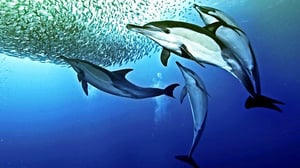
Seasons are the main motor of natural phenomena in biology, such as climate-driven currents in the ocean. Thus each year a flood of over half a billion sardines assemble in sea-darkening schools near the South African and Angolan coast. It draws equally epic armies of fish-eaters. The ablest hunters, first of all dolphins, spot the prey first, and are followed by others who fish at sea, like whales and sharks, from land and by air, many in colonies, like seals, as a stable food source to feed their young. Fishing techniques vary widely, most recent and devastating being those of man.
Episode 5
The Great Flood
49 mins
In Africa, a great flood in the Okavango turns four thousand square miles of arid plains into a wetland. The lush grass attracts elephants, deer, zebra, buffalo and hippos come for the water.

Episode 6
The Great Feast
49 mins
After a seemingly endless icy winter, the Arctic coast of Alaska and British Columbia, and the the northern Pacific which washes it, warm and bloom more intensely then the Amazon forest. plankton, which gets constant feeding in the deep fjords is a feast for the food chain. This starts with herring, seals and whales, which travel for months from the quiet, warm but relatively poor Hawaiian waters. Many species time births to benefit from the short, abundant feeding spray. Many build up fat reserves for the colder rest of the year.
