Join or Sign In
Sign in to customize your TV listings
By joining TV Guide, you agree to our Terms of Use and acknowledge the data practices in our Privacy Policy.

Disco: Soundtrack of a Revolution
From the sweaty basement bars of 1970s New York to the glittering peak of the global charts, a look at how disco conquered the world through its origins, triumphs, fall and legacy.
Loading. Please wait...
Cast & Crew See All

Season 1 Episode Guide See All
Episode 1
Rock the Boat
Tue, Jun 18, 2024
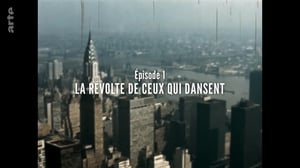
The genesis of disco is discussed, specifically the factors that led to its rise from 1969 to 1973. Somewhat an offshoot of the civil rights movement of the 1960s, it is the dance music of the disenfranchised in the US, most specifically homosexuals, blacks and Latinos. Most specifically with homosexuals, it was all the more important because same-sex dancing in public was illegal, dancing which gay bars generally did not allow to stay under the radar of the police. David Mancuso could overcome many of these prohibitions by hosting by invitation only private dance parties in what was then the decaying inner city West Village neighborhood of Manhattan, the music played what was then considered danceable rhythm and blues. His and similar such underground parties, which became the "in" social gatherings, brought the rise of the DJ, whose goal was to maintain a continuous dance without breaks, leading to what would become the extended mix. A distinctive sound which would become associated with what was eventually coined disco (shortened from discotheque, where much of this music was played) emerged and largely credited to drummer Earl Young. As this music became increasingly popular, it started to break out from its underground status to become mainstream.
Awards
- 2015 - Royal Television Society Scotland Award - Professional Excellence (Craft) - Post Production: Editing - nominated
- 2025 - Dorian Award - Best LGBTQ TV Documentary or Documentary Series - nominated
You May Also Like See All


Popular Shows See all shows
Band of Brothers

The Curse of Oak Island
Call the Midwife

Museum Access

Chernobyl
