Join or Sign In
Sign in to customize your TV listings
By joining TV Guide, you agree to our Terms of Use and acknowledge the data practices in our Privacy Policy.
Changing Seas Season 11 Episodes
Season 11 Episode Guide
4 Episodes 2019 - 2019
Episode 1
The Cordell Bank: A National Treasure
Tue, Jun 18, 2019
California's north-central coast is famous for its natural splendor. Only fifty miles northwest of San Francisco's Golden Gate Bridge, yet light years away from the hustle and bustle of the human world, lies a magical underwater island few people have ever heard of. Protected inside a National Marine Sanctuary, the Cordell Bank is a hotspot for marine life. Cold, nutrient-rich waters welling up from the deep fuel the base of the marine food chain in the region, which in turn feeds birds, sea turtles, and marine mammals who travel from thousands of miles away. And while the sanctuary is actively protecting local resources, it still faces global stressors that might threaten the area in the future. Scientists are studying the potential impacts of ocean acidification and lowered dissolved oxygen levels caused by climate change.
Episode 2
Toxic Waters
Tue, Jun 18, 2019
Florida experiences many types of harmful algal blooms, some of them annually. Several species of algae, like sargassum, aren't toxic, but can cause economic and environmental stress when they pile up on beaches and clog up coastlines. Others, like red tide and blue-green algae, release neurotoxins, causing massive wildlife kills and affecting beachgoers. While residents demand answers from their local and state officials, scientists are studying what causes the blooms in the first place and what needs to be done to stop them. Experts are also uncovering alarming evidence that some of these harmful algal blooms have serious impacts on human health, making their research more critical than ever.

Episode 3
Corals in Crisis
Mon, Jun 24, 2019
Florida's fragile coral reefs are in crisis. Once vibrant cities of the sea, these biodiverse ecosystems have declined over the past few decades. Fishing pressures, pollution, development, and climate change have all left their mark. Now, a new ailment known as "Stony Coral Tissue Loss Disease" may be the last nail in the coffin. This disease is infecting over half of the reef-building corals at an unprecedented scale, killing most of the corals that get sick. But all hope is not lost. Experts of varying backgrounds are working diligently to figure out what is causing the disease, while simultaneously developing techniques to treat outbreaks and restore the sunshine state's coral reefs to their former glory.

Episode 4
Mystery of the Humpback Whale Song
Mon, Jun 24, 2019
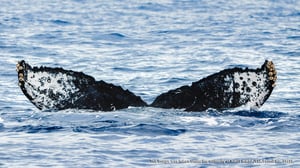
Each year, approximately half of the North Pacific humpback whale population migrates roughly three thousand miles from its feeding grounds in Southeastern Alaska to its breeding grounds in Hawaii. While there, the male humpbacks perform their elaborate and haunting song. But what does it mean? And what is the purpose of this beautiful display? To find out, scientists are conducting research on the leeward side of Maui, inside the Hawaiian Islands Humpback Whale National Marine Sanctuary. They collect data on the amplitude of an individual's song, as well as his size and testosterone levels, to determine if there is a correlation between the quality of the song and the fitness of an individual whale. The scientists are also deploying acoustic suction cup tags on humpback whales to learn how the animals spend their time throughout the day.