Join or Sign In
Sign in to customize your TV listings
By joining TV Guide, you agree to our Terms of Use and acknowledge the data practices in our Privacy Policy.
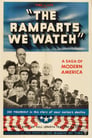
The Ramparts We Watch
With the issuance upon the screen of this feature length documentary discussion of American history during the war years of 1914-18, the estimable March of Time has essayed a feature production. This has been achieved through an elongation of the technique trademarked in previous short product manufactured by the March of Time forces. In addition to the usual presentation of facts and figures, delivered in customary curt style, the study has been seasoned with slices of human interest sidelights of various folks implicated in the bellicose proceedings. The case history addenda, although spasmodically and elliptically sandwiched in between newsreel and archive clippings, is a helpful and dramatic asset in sustaining audience attention through the plethora of journalistic history-page thumbing. The occasion of its presentation offers exploitation opportunities for contacts with religious, political, social and educational groups. The arrival of the film has been heralded in advance announcements through the widely circulated pages of not only the periodicals belonging to the magazine backers of the film but also other nationally known journals. Centers which have been receptive to the monthly visits of the March of Time to their theatre screens may be expected to be attentive to the subject. The nature of the material, as timely and as important as the issue contents of a news weekly magazine, may win the notice of audiences which look upon an inspection of world war history as an evening's entertainment. The sights and sounds of the times of '14 to '18 may offer the more adult of theatre goers some sobering and sentimental reminiscences. The picture was eighteen months in the making. The player personnel to whom was entrusted the task of enacting the human interest incidents of the proceedings, is calculated as numbering 1,400 and considering the amateur standing of most of the cast the acting display is natural and effective. Under the producer director leadership of Louis de Rochemont and the associate assistantship of Thomas Orchard, the vaults of many screen repositories have been consulted and the film findings have been stitched together to formulate a pictorial record of the United States history during the early years of the first World War and the turn of national events upon the country's entrance upon the military stage. There are glimpses of various European rulers and dignitaries, American statesmen and personalities, including Woodrow Wilson, Theodore Roosevelt, Herbert Hoover and Franklin D. Roosevelt, then Assistant Secretary of the Navy, front line skirmishes, sea battles, and submarine sinkings of neutral ships. Through the personalized and localized medium of following the experiences of one American town and its inhabitants, the course of the United States' attitude toward the European dispute is traced from the beginnings of strict neutrality to a final declaration of war on the side of the Allies. The conclusion of the snapshot review ends with the signing of the Armistice together with an off-stage commentator's ominous sounding of future international events fated to follow the ratification of this pact. Using the the film's finale toast to the ramparts of democracy and freedom, the documentary summary ends on a call to national unity and a warning concerning the maintenance of the country's defense measures.
Loading. Please wait...
Cast & Crew See All
Awards
- 1940 - Photoplay Award - Best Pictures of the Month (October) - winner
You May Also Like See All


Popular Movies See all movies

Crucify

Final Recipe

Song Sung Blue
Blue Film

If I Had Legs I'd Kick You
